
How Stump Grinding Works in Canberra’s Soil Types?
Removing tree stumps may look simple from the outside, but the entire process becomes far more complex once you factor in Canberra’s diverse soil types. From compacted clay to rocky layers and sandy pockets, the city’s landscapes challenge even the most experienced professionals.
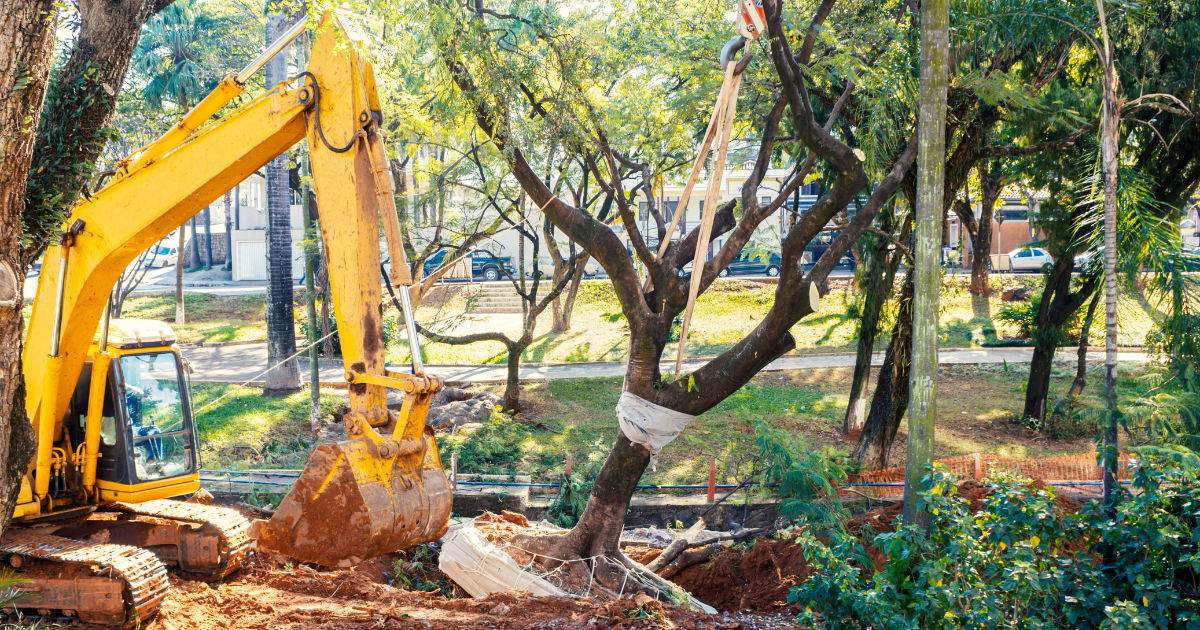
That is why understanding how stump grinding works and how the environment affects it is essential for homeowners, gardeners, and property managers. In this guide, we will break down everything you need to know about stump grinding canberra, how the process adapts to different soils, and how professionals achieve clean, safe, and long-lasting results.
The keyword stump grinding canberra matters here because soil conditions in the ACT region directly influence how grinding machines work, how deep technicians can go, and what kind of preparation is required. Whether a stump is sitting in hard clay, loose sand, or gravel-mixed soil, each scenario requires a specific approach.
This comprehensive guide will help you understand these variations clearly and confidently.
Basics of Stump Grinding
Stump grinding is a mechanical process that uses a rotating cutting wheel with carbide teeth to grind a tree stump down below ground level. Instead of pulling the stump out—like traditional stump removal—grinding focuses on turning the stump into wood chips.
Why Stump Grinding Is the Preferred Method
Stump grinding is popular in Canberra because:
-
It is faster than complete stump removal.
-
It is less invasive to surrounding soil.
-
It produces wood chips that can be reused as mulch.
-
It reduces regrowth when performed correctly.
-
It avoids the need for heavy excavation machinery.
These advantages make stump grinding canberra a widely chosen service for homeowners who want results without damaging their landscape.
How a Stump Grinder Operates
A stump grinder works through a combination of engine horsepower and sharp rotating blades. The machine sweeps back and forth across the stump, gradually shaving the wood down.
The grinding process typically includes:
-
Preparation
Clearing rocks, debris, and dirt around the stump. -
Initial Top-Level Grinding
Reducing the stump until it reaches ground level. -
Deep Grinding Phase
Grinding the stump 15–30 cm below the soil. -
Backfilling and Clean-Up
Filling the hole with wood chips or soil.
Soil hardness, moisture, and mineral content all influence how efficiently these steps can be completed. That is why stump grinding canberra professionals always assess soil condition before starting.
Canberra's Unique Soil Landscape
The Australian Capital Territory (ACT) offers multiple soil types due to geological diversity. This affects construction, gardening, agriculture—and yes, stump grinding.
Canberra’s soil types include:
-
Red clay soils
-
Brown loams
-
Sandy soils
-
Shale-based rocky soil
-
Volcanic soils
-
Granite-derived soils
Each soil type presents unique challenges during stump grinding canberra services, forcing professionals to adapt their methods to maintain efficiency and safety.
Stump Grinding in Clay Soils
Clay soil is one of the most common soil types in Canberra’s residential suburbs, especially in Gungahlin, Belconnen, and parts of Tuggeranong.
Characteristics of Clay Soils
Clay soils tend to:
-
Become extremely hard when dry
-
Become sticky and soft when wet
-
Compete with roots for space
-
Contain minerals that dull grinder blades
These factors influence how professionals handle stump grinding canberra in clay-heavy areas.
How Clay Soil Affects Stump Grinding
-
Hard Dry Clay Slows Grinding
The grinder’s cutting head must work harder to penetrate the compacted earth. -
Wet Clay Creates Machine Slippage
Heavy grinding machines may lose traction, especially on sloped surfaces. -
Clay Holds Hidden Rocks
Rocks embedded in clay can damage the grinder teeth.
Techniques Used for Clay Soil Grinding
Professionals adapt by:
-
Pre-watering dry clay for easier penetration
-
Using machines with extra torque
-
Clearing soil manually before grinding
-
Using hardened, carbide-tipped blades
-
Employing slow, careful passes
Clay soil often requires more time, making stump grinding canberra slightly longer in clay-dominant zones.
Stump Grinding in Sandy Soils
Sandy soils appear mostly in open grassy regions, near waterways, and select urban pockets. Suburbs like Watson and parts of Woden sometimes encounter sandy or sandy-loam soil.
Characteristics of Sandy Soils
-
Loose structure
-
Fast draining
-
Low compaction
-
Easily displaced during grinding
How Sandy Soil Affects Stump Grinding
Unlike clay, sandy soil offers less resistance, which is good for grinding—but it also presents challenges:
-
Reduced Stability for Machines
Machines can sink or tilt on loose sand. -
Over-Grinding Risk
Because sand shifts easily, the grinder may unintentionally go too deep. -
Heat and Friction
Sand increases friction on blades, causing quicker wear.
Techniques Used for Sandy Soil Grinding
Professionals performing stump grinding canberra in sandy zones often:
-
Use stabilizing boards for machine support
-
Remove excess soil manually
-
Carefully monitor depth levels
-
Use slow RPM settings to reduce blade wear
Sandy soil generally makes stump grinding faster but requires precision to avoid uneven results.
Stump Grinding in Rocky and Shale Soils
Rocky soil is common throughout Canberra due to ancient geological formations. Suburbs with granite or shale bases—like Farrer, Red Hill, and parts of Weston Creek—pose major challenges.
Characteristics of Rocky Soils
-
High stone content
-
Irregular terrain
-
Hidden rocks below the surface
-
Strong likelihood of blade damage
Rocky soil is considered one of the toughest environments for stump grinding canberra.
How Rocky Soil Affects Grinding
Rocky ground may:
-
Break grinder teeth
-
Cause machine kickback
-
Increase vibration
-
Slow grinding speed
-
Make it hard to reach depth goals
Techniques Used in Rocky Conditions
Professionals adapt using:
-
Extra-sharp hardened steel teeth
-
Pre-excavation to remove surface rocks
-
Adjustable-height grinding passes
-
Slower cutting motions
-
Protective gear for flying debris
Rocky soils often require the most experience, making professional stump grinding canberra essential.
Stump Grinding in Loam Soils
Loam is a mix of sand, silt, and clay—often considered the best soil for gardening. Suburbs like Yarralumla and parts of Kingston contain rich loam.
Advantages of Loam Soils for Stump Grinding
Loam makes the process easier because:
-
It holds shape without excessive hardness
-
It does not shift as easily as sand
-
It provides natural cushioning
-
It rarely contains deep rock layers
For this reason, stump grinding canberra in loam soil is usually smooth and efficient.
Techniques Used in Loam Soils
-
Standard grinding passes
-
Minimal soil preparation
-
Uniform depth control
-
Quick cleanup
Loam supports stable grinding with faster completion times.
Stump Grinding in Volcanic and Granite-Derived Soils
Some areas of Canberra feature volcanic or granite-rich soil, especially around the older mountain regions and forest edges.
Soil Characteristics
-
Hard minerals
-
Abrasive particles
-
Varying moisture levels
-
High resistance to cutting tools
How This Soil Affects Grinding
Volcanic soil can:
-
Grind down teeth faster
-
Make grinding slower
-
Generate more heat
-
Require machine cooling breaks
Techniques for High-Mineral Soils
-
Frequent blade sharpening
-
Increased horsepower machines
-
Controlled grinding speed
-
Temperature monitoring
Professionals trained in stump grinding canberra know how to handle these high-resistance environments safely.
The Role of Tree Species in Stump Grinding
Soil type is important, but tree species also influence grinding difficulty.
Hardwoods like:
-
Ironbark
-
Red gum
-
Yellow box
take longer to grind compared to softwoods like:
-
Pine
-
Cedar
-
Cypress
Combining hard wood with hard soil requires even more precision during stump grinding canberra operations.
Depth Requirements in Canberra
The typical stump grinding depth in Canberra ranges between:
-
15–20 cm for standard removal
-
30 cm or more for replanting
-
40+ cm for construction preparation
Soil softness or hardness determines whether deeper grinding is feasible.
Why Soil Moisture Matters
Moisture content affects:
-
Machine traction
-
Wood texture
-
Blade wear rate
-
Grinding speed
Dry hardwood stumps in dry soil take the longest to grind. That is why stump grinding canberra professionals often schedule work after light rainfall when soil is slightly softened.
Safety Considerations During Stump Grinding
Canberra’s soil types can influence safety in several ways:
-
Loose sand causes shifting
-
Rocky soil creates flying debris
-
Wet clay increases slipping
-
Hard soil requires more machine power
Qualified technicians use:
-
PPE (gloves, helmets, goggles)
-
Shields and guards
-
Machine stabilizers
-
Depth monitors
Safety is crucial for reliable stump grinding canberra services.
Environmental and Landscape Impact
Stump grinding is eco-friendly because:
-
It avoids chemicals
-
It minimizes root disturbance
-
It preserves topsoil structure
-
It produces organic mulch
Soil type determines how easily the area recovers after grinding.
For example:
-
Clay soils may require aeration
-
Sandy soils benefit from compost
-
Loam typically needs minimal assistance
Professionals offering stump grinding canberra often advise property owners on soil recovery and replanting.
What Happens to the Roots After Grinding?
Stump grinding targets the stump but leaves roots underground. Over time:
-
Roots decompose naturally
-
Soil softens around the area
-
Nutrients return to the ground
Root decay speed varies with soil type:
-
Sandy soil: faster decay
-
Clay soil: slower decay
-
Rocky soil: inconsistent decay
Understanding this helps homeowners plan future landscaping after stump grinding canberra services.
Costs Associated with Stump Grinding in Canberra
Pricing depends on:
-
Soil difficulty
-
Stump size
-
Root spread
-
Access issues
-
Machine type
Clay and rocky soil conditions may increase cost because they slow progress, whereas loam and sandy soils usually reduce labor time.
Choosing a Professional Stump Grinding Service in Canberra
Hiring experienced technicians ensures:
-
Correct soil assessment
-
Proper grinding depth
-
Safe machine operation
-
Minimal landscape damage
-
Faster completion time
Professionals familiar with stump grinding canberra bring expertise that amateurs or underqualified operators cannot match.
Conclusion
Stump grinding may seem like a straightforward process, but when you consider Canberra’s complex soil types, the task becomes far more specialized. Clay soils require patience and preparation, sandy soils demand stability and precision, rocky soils need protective strategies and expert handling, and loam offers the most balanced environment for efficient grinding. Every soil type influences the equipment used, the grinding depth achieved, and the time required for the job.
Understanding these variations helps homeowners make informed decisions when hiring professionals for stump grinding canberra services. It clarifies why some jobs take longer, why costs vary, and why expertise matters. Soil determines stability, machine performance, blade wear, and safety conditions. Professionals analyze moisture, compaction, mineral content, and stump hardness to adjust methods that deliver clean, reliable results.
Whether you are preparing land for new construction, improving your garden’s appearance, preventing pest infestations, or simply clearing space, stump grinding remains the most efficient and eco-friendly solution. With the right approach tailored to Canberra’s soil types, the process becomes smoother, safer, and more effective. Choosing an expert service ensures the job is completed properly the first time, protecting your landscape and enhancing long-term soil health.
