
How swm models Is Reshaping the Off-Road Industry
For decades the off-road industry was defined by a simple question: quad or utility vehicle? The quad dominated recreation, while heavier machines owned work duty, and the two segments rarely crossed paths. That tidy picture is now breaking apart, and SWM has been one of the most active brands redrawing the lines. By building a model range that mixes quad agility with utility capability, the company is reshaping what buyers expect from a single off-road brand, and the industry is following close behind.
The Quad Legacy and the Model Revolution
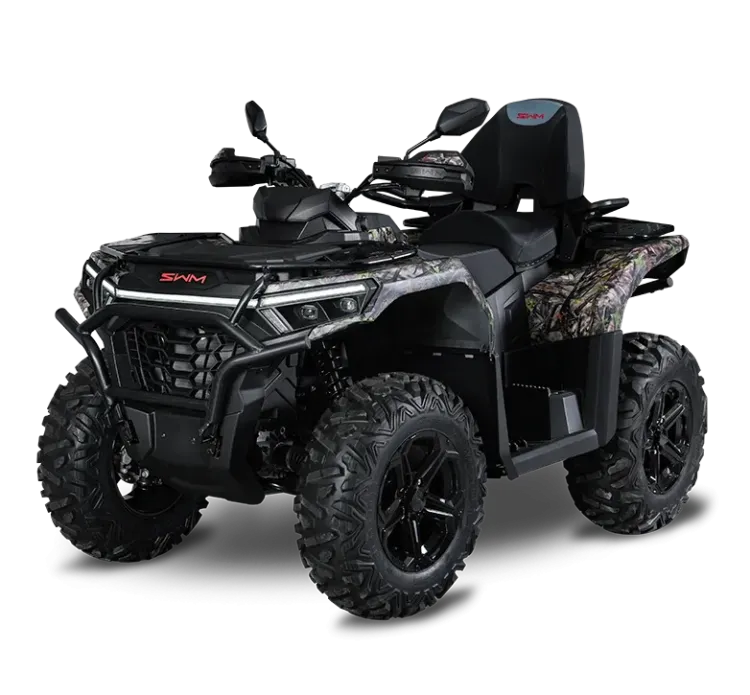
The swm quad heritage runs deep, rooted in the brand’s racing history and a chassis culture that prizes agility and precision. Modern SWM quads still carry that DNA, with nimble geometry, balanced suspension, and engines that reward an experienced rider. But the same engineering team has applied that culture to a much wider model range, and that is the real story: the agility lessons learned on the quad line now show up in utility machines, giving them handling that competitors in their class simply do not have.
The shift is visible in how the industry categorizes vehicles. Buyers no longer ask for “a quad or a UTV” as a binary choice; they ask which model fits their mix of recreation and work. SWM answered with a range that includes compact quads for sport, work-oriented quads for property duty, and a growing family of side-by-side models for passengers and cargo. The result is a brand where a rider can move from a weekend quad to a working UTV without changing loyalty, and that stickiness is reshaping dealer conversations across the market.
Segments, Not Sizes
The most interesting industry change is the move from size-based categories to purpose-based ones. In the past, a buyer chose by displacement: a 450 for fun, a 700 for work. The current model lineup demonstrates the new logic, where the same displacement class serves completely different missions depending on chassis, drivetrain, and equipment. This purpose-first thinking is spreading through the industry because it matches how people actually buy: they describe the job, not the engine size.
| Consideration | swm quad Line | swm models (SxS/UTV) |
|---|---|---|
| Primary mission | Solo recreation, sport, tight trails | Passengers, cargo, utility and tours |
| Rider position | Motorcycle-style, high agility | Bench seat, car-like comfort |
| Payload strength | Light duty racks and tow small loads | Dedicated beds, towing, work fittings |
| Trail access | Narrowest trails, easiest to park | Needs wider routes, better for groups |
| Best fit | Sport riders, hunters, solo workers | Farms, resorts, families, tour fleets |
| Shared DNA | Same suspension tuning culture, sealed drivetrains, serviceable layouts | |
What the table makes clear is that the two lines are complements, not competitors. The rider who buys a quad for personal sport today is the operator who will buy a side-by-side when the business grows or the family expands. The industry’s smartest dealers have started selling that journey rather than a single vehicle, and early results show stronger repeat sales and healthier margins for the brands that embrace it.
What the Data Says
The market data supports the direction. Sales of multi-model ranges from single brands are growing faster than single-platform sales, and buyers consistently cite brand trust and parts commonality as the reasons. When a household or a small business standardizes on one brand across quad and UTV lines, swm models make the logistics simple: one dealer, one parts shelf, one service relationship. That convenience is a genuine economic advantage, and it shows up in lower ownership costs over the life of the fleet.
The industry is also borrowing the brand’s engineering playbook. Competitors are rushing to add utility capability to sport platforms and sport handling to utility machines, which is precisely the crossover SWM pioneered across its range. The convergence is good news for buyers: every segment gets better handling, better comfort, and better value as the brands chase the same balanced formula. The era of the one-trick machine is ending, and the era of the versatile fleet is beginning.
Where the Industry Follows
Look ahead a few years and the trajectory is clear. The strongest brands will be those that treat quad and side-by-side lines as one family, sharing engineering culture, service architecture, and dealer relationships. The SWM powersports vehicles strategy demonstrates the model: a unified range where every machine carries the same DNA, so a buyer’s first purchase is the start of a relationship rather than a one-time transaction.
For riders and operators, the practical takeaway is encouraging: the off-road market is moving toward machines that do more, last longer, and fit together as a fleet. The quad purist still gets a genuine sport machine, the working farm gets a dependable utility platform, and the resort gets a tour fleet with predictable costs. That is the reshaping in action, and the brands that understand the model range are the ones that will define the next decade of off-road.
The industry’s direction is set: purpose-based lineups, shared engineering, and family relationships between quad and UTV buyers. SWM got there first with a model range that respects both traditions, and the competition’s scramble to catch up is the best evidence yet that this is where the market is headed. Whether you ride solo or carry the whole crew, the new generation of off-road machines is built to do both.
