
Are Desiccant Container Strips Safe?
Desiccant Container Strips are widely used across industries to protect goods from moisture damage during storage and transportation.
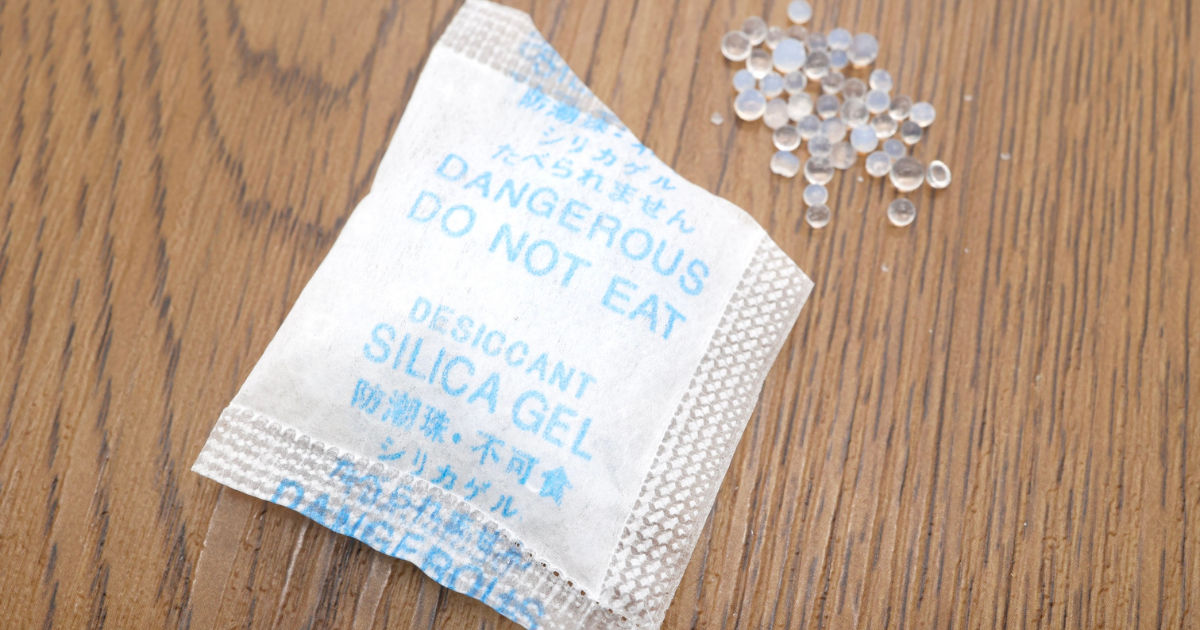
From shipping containers and warehouses to pharmaceuticals and food packaging, these moisture-absorbing strips play a crucial role in maintaining product quality. However, many people still ask an important question: Are Desiccant Container Strips safe?
This comprehensive guide explores everything you need to know about Desiccant Container Strips, including how they work, what they are made of, their safety profile, proper handling, environmental impact, and best practices for use. The goal is to provide clear, easy-to-understand information suitable for a 12th-grade audience while addressing common concerns with practical explanations.
What Are Desiccant Container Strips?
Desiccant Container Strips are long, narrow moisture-absorbing products designed to be hung or placed inside shipping containers, storage units, and enclosed spaces. Their main purpose is to control humidity and prevent condensation, mold growth, corrosion, and packaging damage.
Unlike small desiccant packets found in consumer goods, Desiccant Container Strips are industrial-grade solutions. They are engineered to absorb large amounts of moisture over extended periods, making them ideal for long-distance shipping and long-term storage.
Desiccant Container Strips are commonly used in international trade, especially when goods are shipped across oceans where temperature changes can cause condensation. By reducing humidity levels, these strips help maintain stable conditions inside containers.
Why Moisture Control Matters in Containers
Moisture is one of the biggest threats to goods stored or transported in enclosed spaces. When warm air cools, it releases moisture that can settle on surfaces. This phenomenon, often called “container rain,” can damage products severely.
Desiccant Container Strips help prevent this problem by absorbing excess moisture before it condenses. Without proper moisture control, goods such as electronics, textiles, metals, and paper products can suffer irreversible damage.
By maintaining a dry environment, Desiccant Container Strips reduce losses, improve product safety, and increase customer satisfaction. Their effectiveness is one of the reasons they are so widely adopted across industries.
What Materials Are Used in Desiccant Container Strips?
Desiccant Container Strips are typically made from moisture-absorbing materials such as calcium chloride, silica gel, clay, or starch-based compounds. These materials are enclosed in breathable packaging that allows moisture to enter while keeping the contents contained.
Calcium chloride is one of the most common materials used because it can absorb several times its weight in water. When it absorbs moisture, it turns into a gel or liquid that remains sealed inside the strip.
The outer layer of Desiccant Container Strips is usually made from non-woven fabric or permeable paper. This design ensures efficient moisture absorption while preventing leaks or spills.
How Desiccant Container Strips Work
Desiccant Container Strips work through a simple physical process called adsorption or absorption. Moisture in the air is drawn into the desiccant material due to differences in humidity levels.
As the air inside the container circulates, moisture moves toward the Desiccant Container Strips. Over time, the strips capture and hold water vapor, reducing overall humidity.
This continuous process helps maintain a stable internal environment throughout the shipping or storage period. Even during temperature fluctuations, Desiccant Container Strips remain effective.
Are Desiccant Container Strips Safe for Humans?
One of the most common concerns is whether Desiccant Container Strips pose any health risks. In general, Desiccant Container Strips are considered safe when used as intended.
The materials inside Desiccant Container Strips are not meant to be ingested or handled directly. However, when properly sealed and used according to manufacturer instructions, they do not release harmful substances into the air.
Most Desiccant Container Strips are non-toxic and designed for industrial use. As long as they remain intact, they do not pose a risk to workers or consumers.
Safety During Handling and Installation
Proper handling is essential to ensure the safety of Desiccant Container Strips. Workers installing these strips should avoid tearing or puncturing the outer packaging.
Wearing gloves during installation is often recommended, especially when handling large quantities of Desiccant Container Strips. This minimizes direct contact and ensures hygiene.
Once installed, Desiccant Container Strips should not be moved unnecessarily. Secure placement helps prevent damage and ensures consistent moisture absorption throughout the container.
Are Desiccant Container Strips Safe Around Food Products?
Desiccant Container Strips are frequently used in containers carrying food products, particularly packaged and sealed goods. When used correctly, they do not come into direct contact with food.
Many Desiccant Container Strips meet international safety standards and are approved for use in food transport environments. They are placed strategically away from food items to avoid contamination.
It is important to note that Desiccant Container Strips should never be opened or mixed with food. Their safety depends on proper placement and intact packaging.
Use of Desiccant Container Strips in Pharmaceuticals
Pharmaceutical products are highly sensitive to moisture. Desiccant Container Strips play a key role in maintaining the integrity of medicines during transportation.
The strips help prevent degradation caused by humidity, which can affect potency and shelf life. Because of this, Desiccant Container Strips used in pharmaceutical logistics must meet strict quality and safety standards.
When compliant with regulations, Desiccant Container Strips are considered safe and effective for protecting sensitive medical products.
Environmental Impact of Desiccant Container Strips
Environmental safety is another important consideration. Many modern Desiccant Container Strips are designed with eco-friendly materials or biodegradable components.
Calcium chloride-based Desiccant Container Strips can often be disposed of safely according to local waste regulations. Some manufacturers also offer recyclable outer packaging.
While Desiccant Container Strips are generally safe for the environment, proper disposal is essential. Used strips should not be discarded carelessly, especially if they have absorbed significant moisture.
Common Myths About Desiccant Container Strips
There are several misconceptions surrounding Desiccant Container Strips. One common myth is that they release harmful chemicals into the air. In reality, properly manufactured strips are sealed and stable.
Another myth is that Desiccant Container Strips are dangerous to touch. While direct handling of the internal material should be avoided, the outer packaging is designed to be safe.
Understanding the facts helps users feel confident about using Desiccant Container Strips responsibly and effectively.
Proper Storage of Desiccant Container Strips
Before use, Desiccant Container Strips should be stored in a dry environment. Exposure to moisture before installation can reduce their effectiveness.
Storing Desiccant Container Strips in sealed packaging ensures they remain active until needed. This also prevents premature moisture absorption.
Proper storage not only enhances performance but also contributes to overall safety and reliability.
How to Use Desiccant Container Strips Correctly
Correct usage is key to ensuring both safety and effectiveness. Desiccant Container Strips should be hung or placed according to manufacturer guidelines.
They are usually installed along container walls or ceilings to allow optimal air circulation. Proper spacing ensures even moisture absorption throughout the container.
Following instructions carefully helps maximize the benefits of Desiccant Container Strips while minimizing risks.
Regulatory Standards and Certifications
Many Desiccant Container Strips comply with international standards such as ISO and REACH regulations. These certifications ensure that the products meet safety, quality, and environmental requirements.
Choosing certified Desiccant Container Strips provides added assurance of safety. Reputable manufacturers clearly label their products and provide safety data sheets.
Compliance with regulations is a strong indicator that Desiccant Container Strips are safe for industrial use.
Potential Risks and How to Avoid Them
While Desiccant Container Strips are generally safe, improper use can lead to minor risks. Damaged strips may leak moisture-laden gel if punctured.
To avoid this, users should inspect Desiccant Container Strips before installation. Any damaged or swollen strips should be discarded according to guidelines.
Routine checks during unloading can also help identify issues early and maintain safety standards.
Comparing Desiccant Container Strips to Other Moisture Control Methods
Desiccant Container Strips are often compared to ventilation or dehumidifiers. Unlike active systems, these strips require no power and minimal maintenance.
This simplicity makes Desiccant Container Strips safer in many situations, especially during long-distance shipping. There are no electrical components or moving parts involved.
Their passive operation contributes to both safety and reliability, making them a preferred choice for many industries.
Cost vs Safety Considerations
Some users worry that low-cost Desiccant Container Strips may compromise safety. While price can vary, safety largely depends on quality and compliance with standards.
Investing in reputable Desiccant Container Strips ensures consistent performance and reduces potential risks. Cheap, uncertified products should be avoided.
Balancing cost and safety is essential for long-term benefits and peace of mind.
Training and Awareness for Safe Use
Training workers on proper handling and installation improves safety outcomes. Clear instructions help prevent misuse and accidental damage.
Awareness programs can educate users about the purpose and limitations of Desiccant Container Strips. This knowledge fosters confidence and responsible usage.
Well-informed users are more likely to use Desiccant Container Strips safely and effectively.
Long-Term Safety and Performance
Over time, Desiccant Container Strips have proven to be reliable and safe. Their widespread adoption across industries reflects trust in their performance.
Long-term studies and real-world use show minimal safety concerns when guidelines are followed. This track record reinforces their value in moisture control.
Consistent performance over extended periods is a key reason Desiccant Container Strips remain popular.
Final Thoughts on Safety
So, are Desiccant Container Strips safe? The answer is yes, when used as intended and sourced from reputable manufacturers. Their design, materials, and regulatory compliance make them a dependable solution for moisture control.
Understanding how Desiccant Container Strips work and how to handle them properly eliminates most concerns. Safety is closely tied to correct usage and awareness.
With proper care, Desiccant Container Strips offer an effective, low-risk way to protect goods from moisture damage.
Conclusion
Desiccant Container Strips play a vital role in modern logistics, storage, and transportation by controlling humidity and preventing moisture-related damage. Their materials are carefully selected, their design is purpose-built, and their usage is supported by international safety standards.
When installed and handled correctly, Desiccant Container Strips are safe for humans, products, and the environment. They do not release harmful substances, require no power, and offer a reliable passive solution to moisture control.
By choosing certified products, following proper handling guidelines, and ensuring correct disposal, users can confidently rely on Desiccant Container Strips. Their proven effectiveness and strong safety profile make them an essential tool in protecting valuable goods across industries.
