
How Weather Impacts Door Sensor Performance?
Door sensors have become an essential part of modern security systems, especially in homes and businesses. Among the various types available, outdoor glass door sensors are particularly popular for monitoring entry points without compromising aesthetics.
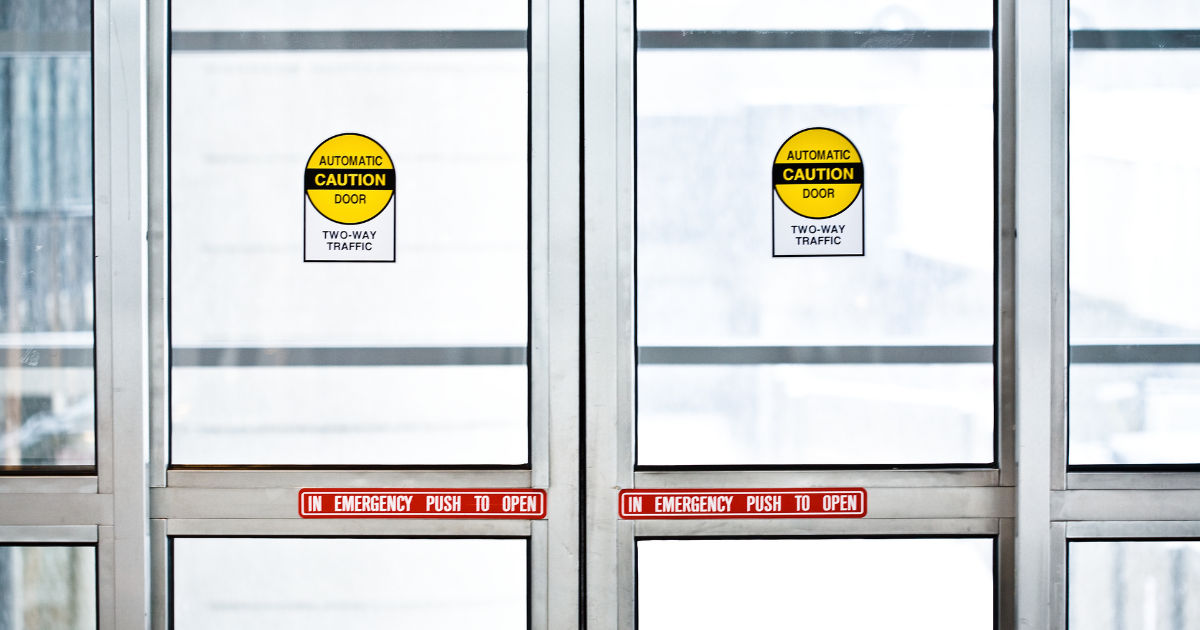
These sensors ensure safety, trigger alarms, and even interact with smart home systems to provide alerts in real-time. However, one factor that often affects their efficiency is the weather. Weather conditions—ranging from rain and snow to extreme heat or cold—can significantly influence the performance and reliability of door sensors.
In this comprehensive guide, we’ll explore how weather impacts door sensor performance, common challenges, and practical solutions for optimal functionality with insights from akbari glass.
Door Sensors
Before diving into weather-related effects, it’s important to understand what door sensors are and how they function. Door sensors are devices that detect the opening and closing of doors. There are several types, including magnetic, optical, and motion-based sensors.
Outdoor glass door sensors specifically are designed for exterior glass doors, such as patio or balcony doors. They usually consist of two main components: a sensor and a magnet. When the door closes, the magnet aligns with the sensor, creating a closed circuit. When the door opens, the circuit breaks, triggering an alert.
Because these sensors are often installed outdoors, they are directly exposed to environmental conditions. Unlike indoor sensors, they must withstand rain, snow, dust, sunlight, and temperature variations.
How Temperature Affects Door Sensors
Temperature extremes are one of the most common weather-related challenges for door sensors. Both high heat and freezing temperatures can impact their performance in different ways.
-
High Temperatures: Prolonged exposure to heat can cause plastic components to warp and electronic circuits to overheat. This can lead to false alarms, delayed responses, or permanent damage. Sensors installed in areas with direct sunlight need special consideration for heat-resistant materials.
-
Low Temperatures: Freezing temperatures can make mechanical components brittle, causing cracks or malfunctions. Additionally, battery-powered sensors may experience shorter battery life in cold weather because chemical reactions within the battery slow down.
Tip: For areas with extreme temperatures, choose sensors rated for wide operating temperature ranges to ensure consistent performance.
Impact of Humidity and Rain
Humidity and rain present another significant challenge for outdoor glass door sensors. Moisture can interfere with the internal circuitry of the sensor, leading to malfunctions.
-
Rain: Direct rain exposure can cause corrosion on metallic components, disrupt wireless signals, and trigger false alarms. While many sensors are weather-resistant, constant water exposure can reduce their lifespan.
-
Humidity: High humidity can lead to condensation inside the sensor casing. Condensation creates short circuits, which may temporarily disable the sensor or cause irregular readings.
Solution: Using sensors with IP (Ingress Protection) ratings ensures resistance against water and dust. For outdoor installations, consider protective casings or awnings to shield sensors from heavy rain.
Snow and Ice Effects
In colder climates, snow and ice accumulation can directly interfere with sensor operation.
-
Ice forming around a door frame can physically obstruct the sensor’s components, preventing proper alignment with the magnet.
-
Snow buildup can trigger motion-based sensors unintentionally, as moving snow or falling flakes might be detected as motion.
Pro Tip: Regular maintenance during winter, such as clearing snow and ice from sensor areas, helps maintain reliable performance. Heated enclosures are another solution for sensors in extremely cold environments.
Wind and Debris
Wind may seem harmless, but it can affect sensor reliability, especially for outdoor glass door sensors. Strong gusts can cause doors to sway or vibrate, triggering false alarms. Additionally, wind can carry dust, leaves, or other debris, which may obstruct sensor components or interfere with wireless communication.
Installing sensors in sheltered locations and ensuring proper sealing can reduce wind-related false alerts. Regular cleaning of sensor surfaces also helps maintain smooth operation.
Sunlight and UV Exposure
Continuous exposure to direct sunlight and UV radiation can degrade sensor components over time. Plastic casings may discolor or become brittle, and adhesive mounts may fail.
Wireless signals can also be slightly affected by heat from the sun, especially if the sensor is located in a metal-framed glass door where heat buildup occurs. Choosing sensors with UV-resistant casings and reflective covers can prolong lifespan and reduce performance degradation.
Seasonal Changes and Their Impact
Seasonal variations often bring combinations of extreme temperatures, rain, and humidity, which can cumulatively affect sensor performance.
-
Spring: Rain and high humidity can trigger water-related malfunctions.
-
Summer: Heat and sunlight may cause overheating and battery drain.
-
Autumn: Falling leaves and debris may obstruct sensors.
-
Winter: Snow, ice, and cold can impede mechanical parts and batteries.
For consistent performance, it’s crucial to understand the climate where your sensors are installed and choose devices designed to handle seasonal extremes.
Maintenance Tips for Weather-Resilient Sensor Performance
To ensure your outdoor glass door sensors function optimally in any weather, regular maintenance is key.
-
Clean Sensors Regularly: Dust, dirt, and debris can accumulate on sensor surfaces, affecting detection accuracy. A soft cloth or compressed air can help maintain clarity.
-
Inspect for Moisture or Corrosion: Check for signs of water intrusion or rust. Replace or reseal affected components as needed.
-
Check Batteries: Extreme temperatures can drain batteries faster. Consider rechargeable or weather-resistant battery options.
-
Test Sensor Alignment: Ensure magnets and sensors remain correctly aligned after wind, snow, or accidental bumps.
-
Use Protective Casings: Shields or covers can protect against rain, snow, and direct sunlight without obstructing sensor function.
Choosing Weather-Resistant Outdoor Glass Door Sensors
When selecting sensors, consider the following factors to ensure reliability in various weather conditions:
-
IP Rating: Indicates water and dust resistance. Look for IP65 or higher for outdoor installations.
-
Temperature Range: Choose sensors rated for the extremes expected in your location.
-
Material Durability: UV-resistant plastic and corrosion-proof metals extend lifespan.
-
Battery Life: Longer battery life or temperature-tolerant batteries reduce maintenance frequency.
-
Wireless Reliability: Sensors should maintain stable connectivity even during storms or heavy winds.
Advanced Solutions for Weather Challenges
Modern technology has introduced advanced solutions to mitigate weather impacts on door sensors:
-
Smart Sensors: Sensors with built-in diagnostics can alert users when weather-related interference occurs.
-
Remote Monitoring: Integration with smart home systems allows real-time alerts for malfunctions due to weather.
-
Heated or Insulated Sensors: Some high-end sensors include heating elements or insulated casings for extreme cold conditions.
-
Redundant Systems: Installing multiple sensors ensures coverage even if one fails due to weather issues.
Common Misconceptions About Weather and Sensors
-
All sensors are weatherproof: Not all door sensors are built to withstand outdoor conditions. Always check specifications before outdoor installation.
-
Rain alone causes failures: While rain can be a factor, temperature fluctuations, debris, and UV exposure are equally important.
-
Maintenance isn’t necessary: Even weather-resistant sensors require regular inspection to perform reliably over time.
Case Studies: Weather Effects on Door Sensors
-
Cold Climate Example: A household in Minnesota installed outdoor glass door sensors without checking low-temperature ratings. In winter, ice formed around the sensors, causing repeated false alarms. Upgrading to sensors rated for sub-zero temperatures solved the issue.
-
Tropical Climate Example: In Florida, sensors installed near the ocean faced high humidity and salt corrosion. Protective casings and IP-rated sensors prevented sensor failure over years of exposure.
-
Windy Environment Example: In coastal California, sensors triggered frequently due to wind-caused door vibrations. Using motion dampeners and ensuring proper alignment reduced false alerts.
These examples show the importance of considering local weather conditions before installing door sensors.
Conclusion
Weather plays a significant role in the performance and longevity of outdoor glass door sensors. From extreme temperatures and humidity to rain, snow, wind, and sunlight, each environmental factor can impact sensor operation. However, careful selection of weather-resistant sensors, regular maintenance, and strategic installation can ensure reliable performance year-round.
By understanding the challenges posed by different weather conditions and adopting proactive measures, homeowners and businesses can maximize the efficiency and lifespan of their door sensors. Whether it’s using IP-rated casings, monitoring battery health, or ensuring proper alignment, taking steps to protect sensors from weather-related damage pays off in consistent security and peace of mind.
Ultimately, recognizing that weather is not just a minor inconvenience but a critical factor in sensor performance is the first step toward building a robust and reliable security system. Investing in the right sensors and maintenance practices ensures that your outdoor glass doors remain secure, regardless of what nature throws at them.
