
How Does an online game Work?
Online gaming has changed the way people enjoy entertainment, compete with friends, and connect with players around the world. Whether someone is playing a simple mobile game or a large multiplayer title, many systems work together behind the scenes. For players interested in games such as T999 Game Download, understanding these systems can make the gaming experience easier to appreciate.
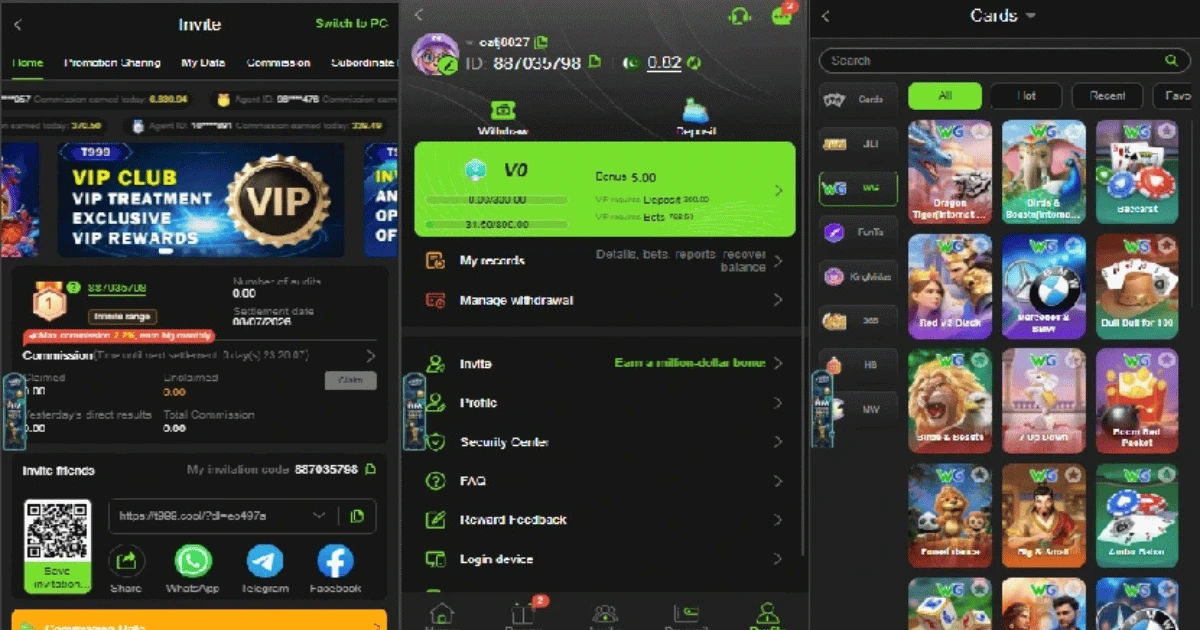
An online game is more than an application installed on a phone or computer. It usually depends on internet connections, game servers, databases, software engines, security systems, and communication protocols. These components work together to send information between the player's device and the game's server.
This guide explains how online games work, what happens when a player logs in, how multiplayer communication happens, how game servers manage players, and what technologies make modern online gaming possible.
What Is an Online Game?
An online game is a digital game that uses an internet connection to provide some or all of its features. The connection may be required for multiplayer competition, account management, cloud saves, live events, communication, or access to game content.
Some online games are played directly against other people. Others allow players to interact with a shared virtual world. Even games that appear simple can use online services to verify accounts, save progress, deliver updates, or maintain rankings.
For example, a player using T999 Game Download may interact with software installed on a device while other important information is handled by remote servers. This separation between the player's device and online infrastructure is one of the most important concepts in online gaming.
What Happens When You Start an Online Game?
When a player opens an online game, several processes can happen within seconds.
First, the application loads its basic files. These files may include graphics, sounds, menus, character information, maps, and other game resources.
The game then checks whether an internet connection is available. If an online account is required, the application communicates with an authentication server to confirm the player's identity.
After successful authentication, the game may request information from a database. This could include player progress, settings, achievements, virtual items, statistics, or account preferences.
A similar process can occur when someone launches T999 Game Download and accesses features that require an active connection.
The Role of Game Servers
Game servers are central to most online gaming systems. A server is a computer or group of computers designed to receive, process, and send information.
In a multiplayer game, the server may keep track of important events. It can determine player positions, game scores, available resources, match results, and other information.
Instead of allowing every player's device to independently decide what happened, a server can act as a central authority. This helps keep players synchronized.
For instance, if one player moves across a virtual map, information about that movement may be sent to the server. The server processes the information and communicates the updated state to other players.
Games such as T999 Game Download may use different server architectures depending on their design, player count, and online features.
How Does Multiplayer Gaming Work?
Multiplayer gaming depends on continuous communication.
Imagine four people entering the same online match. Each player's device needs to communicate with the server. The server then distributes relevant information to the participants.
Player A moves forward.
That movement is converted into digital information and sent through the internet. The server receives it, processes it, and sends an update to the other players.
Their devices then display the movement on their screens.
This happens repeatedly during gameplay. The process is extremely fast, so players generally experience it as a continuous game rather than a series of separate communications.
When playing an online title such as T999 Game Download, the quality of this communication can have a major effect on responsiveness.
Understanding Ping and Latency
Latency is the amount of time required for information to travel between a player's device and the game server.
It is often measured in milliseconds.
A low latency connection usually produces a more responsive experience. A high-latency connection can cause noticeable delays.
For example, a player might press a button, but the server receives that instruction slightly later. In a competitive game, even a small delay can matter.
Ping is commonly used as a practical measurement of this delay. Lower ping generally means faster communication, although actual gaming performance depends on several other factors as well.
Players using T999 Game Download or any other online game can experience latency because of their internet connection, server distance, network congestion, or problems within the game's infrastructure.
What Is a Game Client?
The game client is the software running on the player's device.
It is responsible for many visible parts of the game. It displays graphics, plays sounds, accepts keyboard or touchscreen input, and processes information received from the server.
The client can also perform calculations locally.
For example, when a player presses a button, the client immediately detects the input. It may then send an instruction to the server while simultaneously updating parts of the interface.
The client is therefore an important bridge between the player and the game's online infrastructure.
A title accessed through T999 Game Download would rely on its client software to provide the interface through which the player interacts with the game.
What Is a Game Database?
Online games often require databases to store information.
A database can contain account details, player progress, inventory information, scores, settings, achievements, and other records.
Suppose a player completes a level and earns an item. The game may send that information to a server, which then updates the appropriate database record.
When the player returns later, the server can retrieve the stored information.
This is why players can often continue their progress across multiple sessions.
For services associated with T999 Game Download, database systems may also be used to manage accounts, preferences, or other online records.
How Game Graphics Are Created
The graphics displayed on a player's screen are usually produced using a game engine or specialized graphics technology.
Game engines provide tools for creating characters, environments, physics, lighting, animations, sound, and user interfaces.
Popular development technologies can help developers build games without creating every technical component from scratch.
The player's device performs much of the visual rendering. The processor and graphics hardware calculate how objects should appear on the screen.
This means the server does not necessarily send a complete video image every time something changes. Instead, it can send game-state information, while the player's device renders the corresponding scene.
How Player Input Reaches the Server
A player's actions begin with an input device.
On a smartphone, this may be a touchscreen. On a computer, it could be a keyboard and mouse. Consoles generally use controllers.
When the player performs an action, the game client detects it.
The client may convert that action into a digital message. The message is sent through the internet to the game server.
The server checks and processes the request before responding.
This process is especially important for competitive games because the server must prevent players from simply changing important game data on their own devices.
Why Online Games Need Security
Security is a major part of online gaming.
Online games can involve user accounts, purchases, personal information, virtual assets, and competitive rankings. Developers therefore need systems to protect both players and game infrastructure.
Authentication helps confirm that someone is authorized to access an account.
Encryption can help protect information while it travels between systems.
Servers may also check player actions for suspicious behavior. In competitive environments, anti-cheat systems can help identify unauthorized software or unusual activity.
Players considering T999 Game Download should also obtain game software from legitimate and trustworthy sources. Unofficial downloads can carry security risks, including malicious software or modified applications.
How Updates Reach Players
Online games frequently receive updates.
An update may fix bugs, introduce new features, improve performance, adjust gameplay, or address security issues.
Developers commonly distribute updates through digital platforms or dedicated game servers.
When a player launches the game, the software may check whether a newer version is available. If one exists, the player may be asked to download and install it.
For games such as T999 Game Download, keeping software updated can be important for compatibility, security, and access to current online services.
What Happens When a Game Crashes?
An online game can stop working for several reasons.
The player's device might run out of available memory. The application could contain a software bug. The internet connection might fail. A server could become unavailable.
It is useful to understand the difference between a client-side and server-side problem.
A client-side problem occurs on the player's device. A server-side problem happens within the online infrastructure supporting the game.
For example, if T999 Game Download cannot connect while other internet services work normally, the problem could potentially involve the game's servers rather than the player's device.
How Matchmaking Works
Many multiplayer games use matchmaking to place players into suitable matches.
A matchmaking system may consider factors such as player availability, skill level, region, connection quality, and game mode.
The system searches for compatible players and creates a match when enough participants are available.
Once a match has been formed, players are usually connected to an appropriate game server.
Efficient matchmaking helps reduce waiting times while maintaining a reasonable gaming experience.
A platform such as T999 Game Download may use its own approach to organizing online players, depending on the features it provides.
How Online Games Handle Large Numbers of Players
Popular games may have thousands or millions of players.
One server may not be capable of handling all users simultaneously. Developers can therefore use multiple servers, regions, or cloud-based infrastructure.
Players may be directed to servers based on geographical location.
This can reduce latency because information has a shorter physical distance to travel.
Large services may also use load balancing. Load balancing distributes requests across multiple systems so that one machine does not become overloaded.
For growing online platforms, these technologies are essential for maintaining stability.
Cloud Technology in Online Gaming
Cloud computing has become increasingly important in modern gaming.
Instead of relying entirely on physical hardware owned and maintained by a single company, developers can use cloud infrastructure to provide computing resources.
Cloud systems can make it easier to increase capacity when demand rises.
For example, a game experiencing a major event may suddenly receive a large number of additional players. Flexible infrastructure can help handle increased traffic.
Cloud technology can also support backups, databases, analytics, content delivery, and other services used by online games.
Games accessed through T999 Game Download may depend on some combination of local device resources and remote online infrastructure.
How Online Payments Can Work
Some online games include optional purchases.
These can include cosmetic items, subscriptions, additional content, or other digital products.
Payment systems are generally handled through secure payment providers or digital storefronts rather than by the game itself storing sensitive payment information unnecessarily.
A purchase request may travel through several systems before confirmation is returned to the game.
The server can then update the player's account after the transaction has been verified.
Players should always check prices, payment terms, refund policies, and the legitimacy of a payment page before making a purchase.
Why Internet Speed Matters
Internet speed is only one part of online gaming performance.
A fast connection can help download large updates and game files quickly. However, responsiveness also depends on latency, connection stability, routing, and server performance.
A stable connection with moderate speed can sometimes provide a better gaming experience than a faster connection that frequently disconnects.
When using T999 Game Download, players should make sure their device has a reliable internet connection whenever online features require one.
Mobile Online Gaming
Smartphones have made online gaming accessible to a much larger audience.
Mobile games must work with touchscreen controls, different screen sizes, battery limitations, and varying network conditions.
Developers often optimize game files so that they do not consume unnecessary storage or data.
Mobile games may also support notifications, cloud synchronization, account systems, and online competitions.
Because mobile devices can use Wi-Fi or cellular networks, performance may change depending on the player's location and network conditions.
What Makes an Online Game Feel Responsive?
Responsiveness comes from several technologies working together.
The client must detect input quickly.
The network must transfer information efficiently.
The server must process requests without excessive delay.
The player's hardware must render the game smoothly.
Developers often use techniques such as interpolation, prediction, and synchronization to make online gameplay appear smoother.
These methods can help hide small network delays and create a more consistent experience.
This technical work is one reason modern online games can feel almost immediate even though information is constantly traveling between different computers.
Common Problems With Online Games
Players can encounter several common problems.
Connection errors: These can occur because of weak internet service, server outages, or network restrictions.
High ping: A distant server or unstable network can increase latency.
Lag: Lag can result from network delays or insufficient device performance.
Login problems: Incorrect credentials, account issues, or authentication-server problems can prevent access.
Update failures: Insufficient storage, interrupted connections, or software conflicts can cause updates to fail.
Crashes: Bugs, outdated drivers, incompatible software, or hardware limitations may cause applications to close unexpectedly.
Understanding these possibilities makes troubleshooting easier.
Tips for a Better Online Gaming Experience
Players can take several practical steps to improve their experience.
First, keep the game and operating system updated.
Second, use a stable internet connection whenever possible.
Third, close unnecessary applications that consume system resources or network bandwidth.
Fourth, choose a server region that is geographically appropriate.
Fifth, maintain sufficient free storage for updates.
Finally, download applications only from reputable sources. This is particularly important when searching for T999 Game Download, because unofficial websites may distribute altered or unsafe files.
The Future of Online Gaming
Online gaming continues to develop rapidly.
Artificial intelligence may help developers create more dynamic characters and personalized experiences.
Cloud gaming may allow some games to run on remote hardware while players stream the results to their devices.
Virtual and augmented reality could create more immersive multiplayer environments.
Improved networking technologies may also reduce latency and make global multiplayer experiences smoother.
At the same time, developers will continue working on privacy, security, accessibility, and responsible gaming.
As online platforms become more sophisticated, understanding the basic technology behind them can help players make better decisions.
Conclusion
An online game works through the cooperation of many different technologies. The application on a player's device is only one part of the complete system. Game servers, databases, networks, authentication services, graphics engines, security tools, and cloud infrastructure can all contribute to the experience.
When a player presses a button, information may travel from the device to a remote server, be processed, stored or verified, and then return as an updated game state. This entire process can happen in fractions of a second.
Understanding how online gaming works also explains why internet quality, server location, device performance, and software updates matter. It shows why a game can continue to function as a connected experience even though players may be sitting in completely different parts of the world.
Whether someone is exploring a new multiplayer title or looking into T999 Game Download, the same basic principles apply: the client provides the player's interface, the network carries information, and servers coordinate the online experience.
Ultimately, online gaming is a combination of software engineering, networking, hardware, databases, security, and creative design. These systems work together behind the scenes so players can focus on what matters most—the game itself.
